Each representation has a job
A plan explains organisation. An axonometric makes spatial relationships easier to see. A render tests the proposed experience, while a technical detail isolates how a specific element should come together.
Treating these as separate forms of evidence prevents one image from carrying claims it cannot support. A render can show intent; it cannot prove completion.
Material samples reduce abstraction
Samples bring colour, texture and reflectance into physical conditions. They can be compared against light, neighbouring finishes and fabrication methods before those decisions become expensive to reverse.
Their role is not merely aesthetic. A sample is a checkpoint between the visual idea and the thing that will actually be specified or made.
Site records close the loop
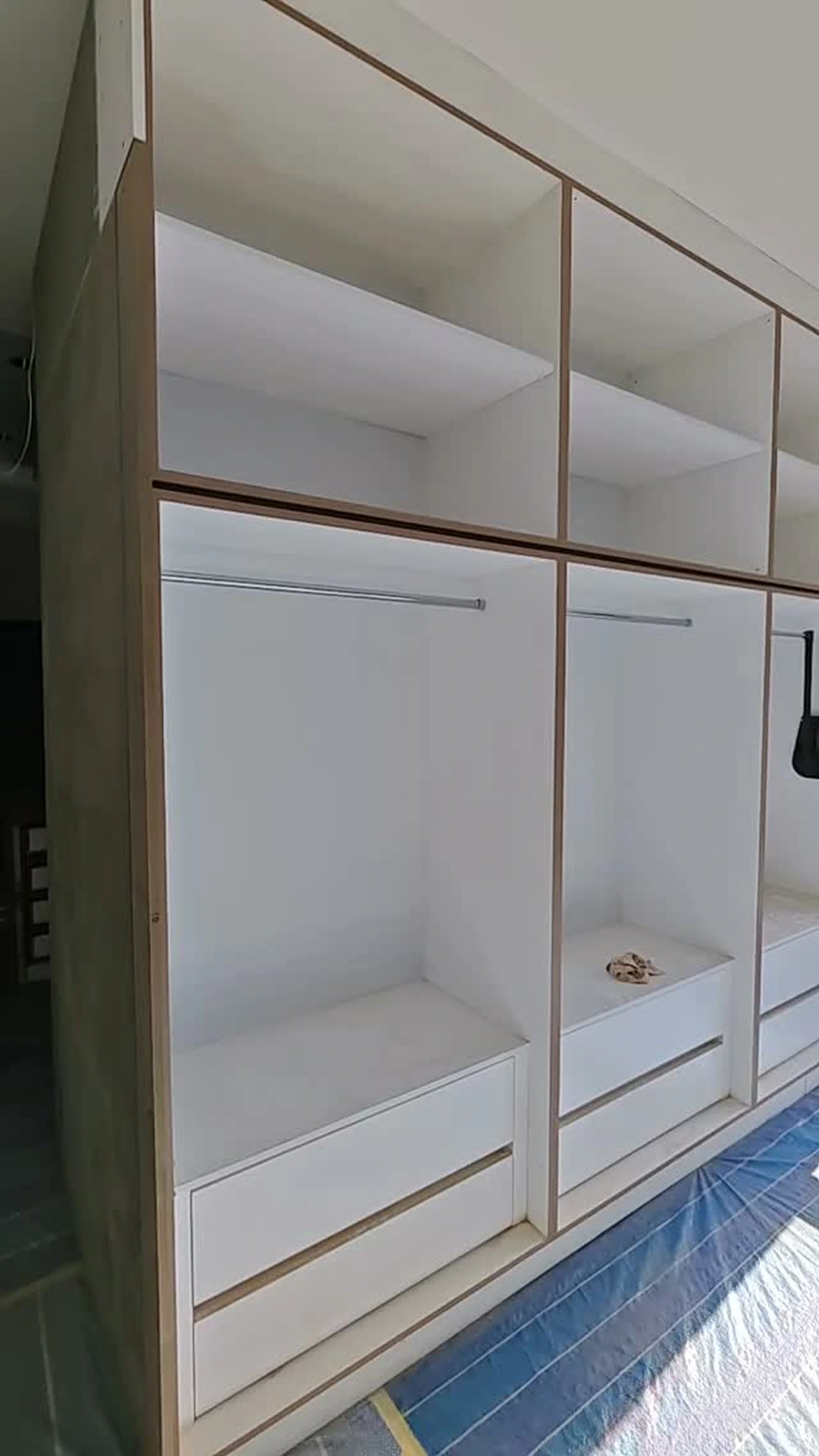
Construction photographs document what is happening rather than what was proposed. They expose junctions, sequencing, access and coordination conditions that drawings may simplify.
Keeping renders, drawings and site evidence clearly labelled gives clients a more honest view of progress and creates a stronger record for the next decision.